
Published Apr 29, 2026 by Splash247
Familiar patterns of procedural delay are emerging at this week’s critical UN shipping summit in London, with sources close to the negotiations warning that the most contentious decisions are being deliberately deferred to the final hours of the meeting – leaving little time for meaningful resolution.
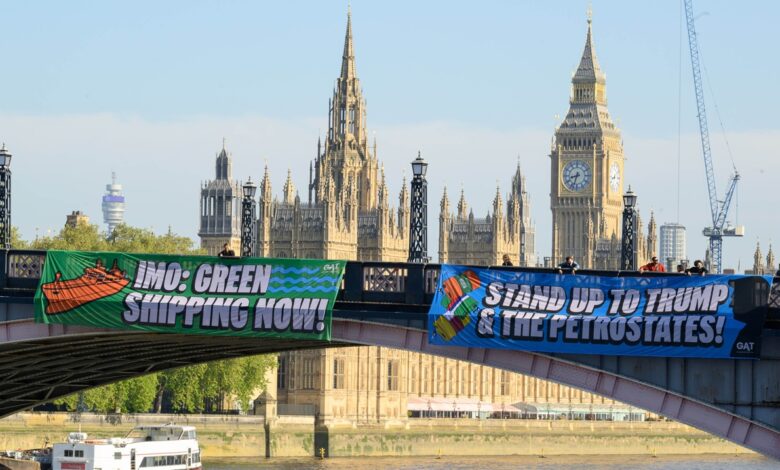
The 84th session of the Marine Environment Protection Committee (MEPC 84) is only two days in, but the shape of the week is already becoming clear to experienced observers. Delegates are advancing on areas of broad agreement while systematically pushing the hardest questions – notably the Greenhouse Gas Fuel Intensity mechanism and the funding architecture of the Net Zero Framework – toward the closing plenary session on Friday.
IMO secretary-general Arsenio Dominguez struck a more hopeful tone in his opening remarks, urging delegates to avoid a repeat of October’s bruising session in which the framework was blocked from adoption by a vote of 57 in favour and 49 against after intense pressure from Washington and Riyadh. “There is no reason to repeat what happened last October. There is no need for it,†Dominguez said on Monday. “At a time where there is already enough disagreement around the world, I ask you that we can set an example of effective multilateralism.â€
The US has returned to the negotiating table this week, but not in a constructive spirit. Laura DiBella, chairman of the US Federal Maritime Commission, confirmed her attendance specifically to reinforce American opposition to the framework. “The NZF is, plainly, an unnecessary tax on US shippers and vessels operating in international waters. The NZF would cost the maritime industry billions of dollars annually. As the largest consumer of imported goods, these costs will be directly passed onto US consumers,†she said.
The political landscape remains treacherous. Japan has proposed removing the carbon pricing element entirely, while a bloc of oil-producing states including Saudi Arabia, the UAE, Russia and Argentina wants the fossil fuel phase-out limits weakened. The EU, by contrast, has directed its 27 member states to resist any effort to remove the framework from future consideration.
Some cautious grounds for optimism exist. Around 62 countries engaged constructively in last week’s technical working group, with 39 participating on revenue distribution – including some that voted for October’s delay. Only four states refused entirely to engage on carbon pricing.
But with the hard political fights now compressed into the final day of a packed agenda, the risk of another inconclusive outcome is real. The IMO has until November 2026 to revisit adoption of the framework. Whether MEPC 84 advances or retreats from that deadline may ultimately be decided in a few hours on Friday afternoon.